

About Perseus
Mission-Critical Thermal & Control Solutions
Engineering high-performance cooling fans, intelligent fan-drive/control electronics, integrated thermal management modules, and rugged retention hardware for defense, aerospace, semiconductor, and controlled industrial applications.
-
30+
Years of experience
-
1,000+
Global Clients
-
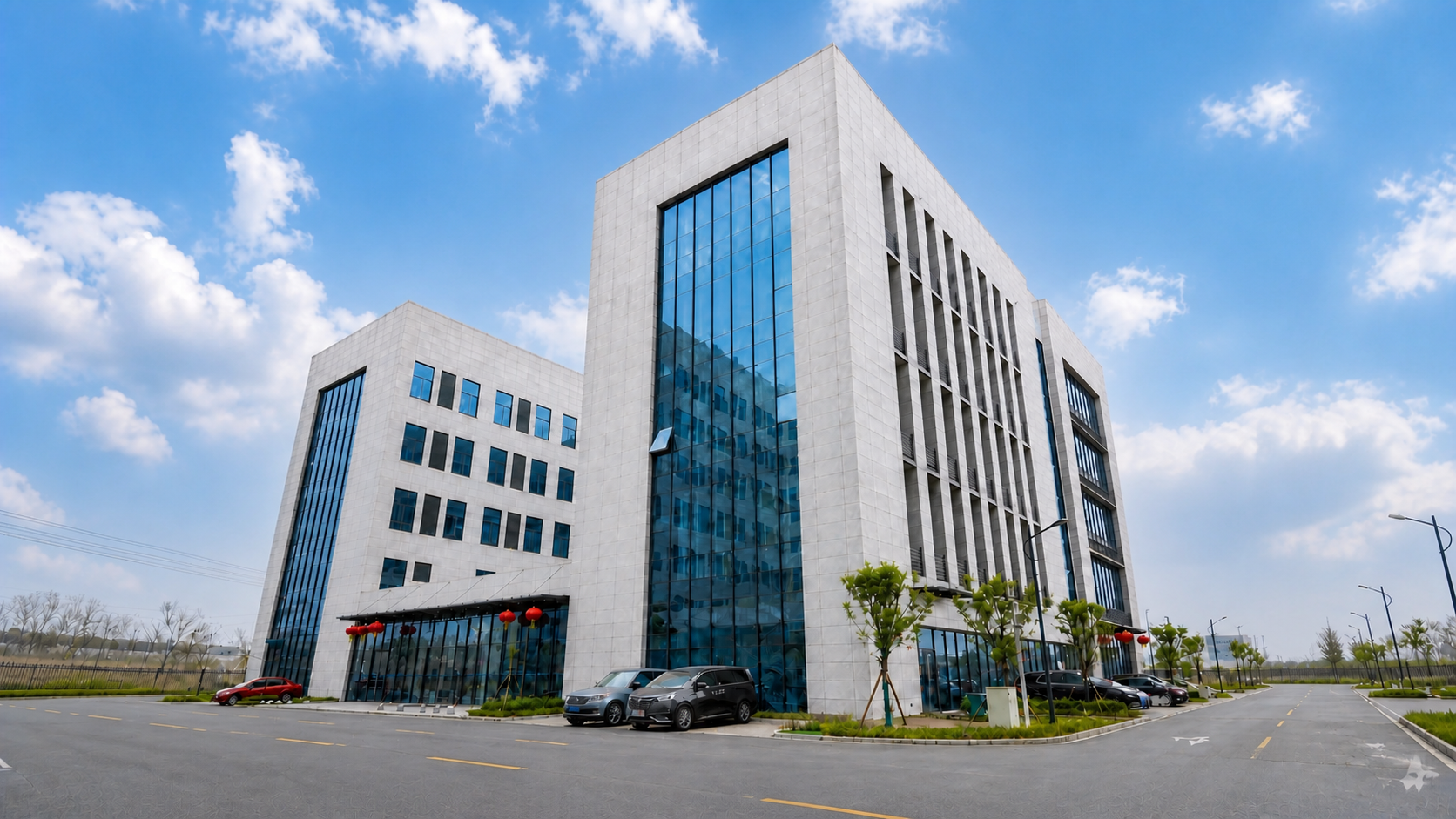
10,000+m²
Development & Manufacturing Facility
-
300+
Employees
Our Mission
Perseus was built for the problems that standard catalogs cannot solve.

At altitude, airflow becomes a thermal engineering problem rather than a catalog number. Under International Standard Atmosphere assumptions, air density at 15,000 ft is only about 63% of sea-level density, so the same volumetric airflow carries much less heat. Installed filters, ducts, compact enclosures, and high-impedance radar electronics can reduce margin further.

Perseus was built for this class of problem: thermal, airflow, control, and mechanical integration challenges where off-the-shelf components reach their practical limits. Since 1996, Perseus has developed cooling fans, thermal management assemblies, fan-drive/control electronics, and rugged retention hardware for defense, aerospace, semiconductor, and controlled industrial platforms.

Our role is to help customers review temperature, altitude derating, EMC behavior, acoustic limits, vibration, shock, and lifecycle replacement risk before hardware reaches the platform.
Our Expertise
Founded in 1996, Perseus combines engineering and manufacturing experience across mission-critical electronics cooling, thermal integration, rugged mechanical hardware, and controlled fan-drive architectures:
- Fluid Dynamics:CFD-informed airflow review, impeller design, system-impedance analysis, and wind tunnel P-Q validation.
- Thermal Management:Air-cooled modules, liquid cold plates, heat pipes, and integrated thermal control assemblies.
- Fan-Drive & Control Electronics:BLDC fan-drive electronics, speed control, sensor feedback, and protection logic.
- Structural Packaging:Wedge locks, front locking devices, pullers, vibration isolators, and rugged mechanical accessories.
- Compliance Engineering:Project-specific review for EMC, vibration, shock, temperature, humidity, salt fog, dust, and altitude.
Technical Foundations: The Five Pillars
Environmental Resilience
Perseus designs around temperature, humidity, vibration, shock, salt fog, dust, rain, and low-pressure altitude profiles. For many defense cooling programs, -55°C to +85°C is a common planning range, with final limits confirmed by model and qualification plan.

Electromagnetic Compatibility (EMC)
Cooling hardware is reviewed for conducted and radiated noise paths. EMC pre-screening can be planned against MIL-STD-461G CE102/RE102 or RTCA DO-160G Section 21 when required.

Aerodynamic & Acoustic Optimization
CFD-informed impeller review is followed by Airflow vs. Static Pressure (P-Q) curve mapping. Acoustic profiling can reference ISO 3744 context for blade-passing-frequency and installed-noise review.

Integrated Structural & Thermal Integrity
Liquid cold plates, thermal modules, wedge locks, pullers, front locking devices, and vibration isolators help maintain heat transfer and mechanical stability under defined loads.

Reliability by Design
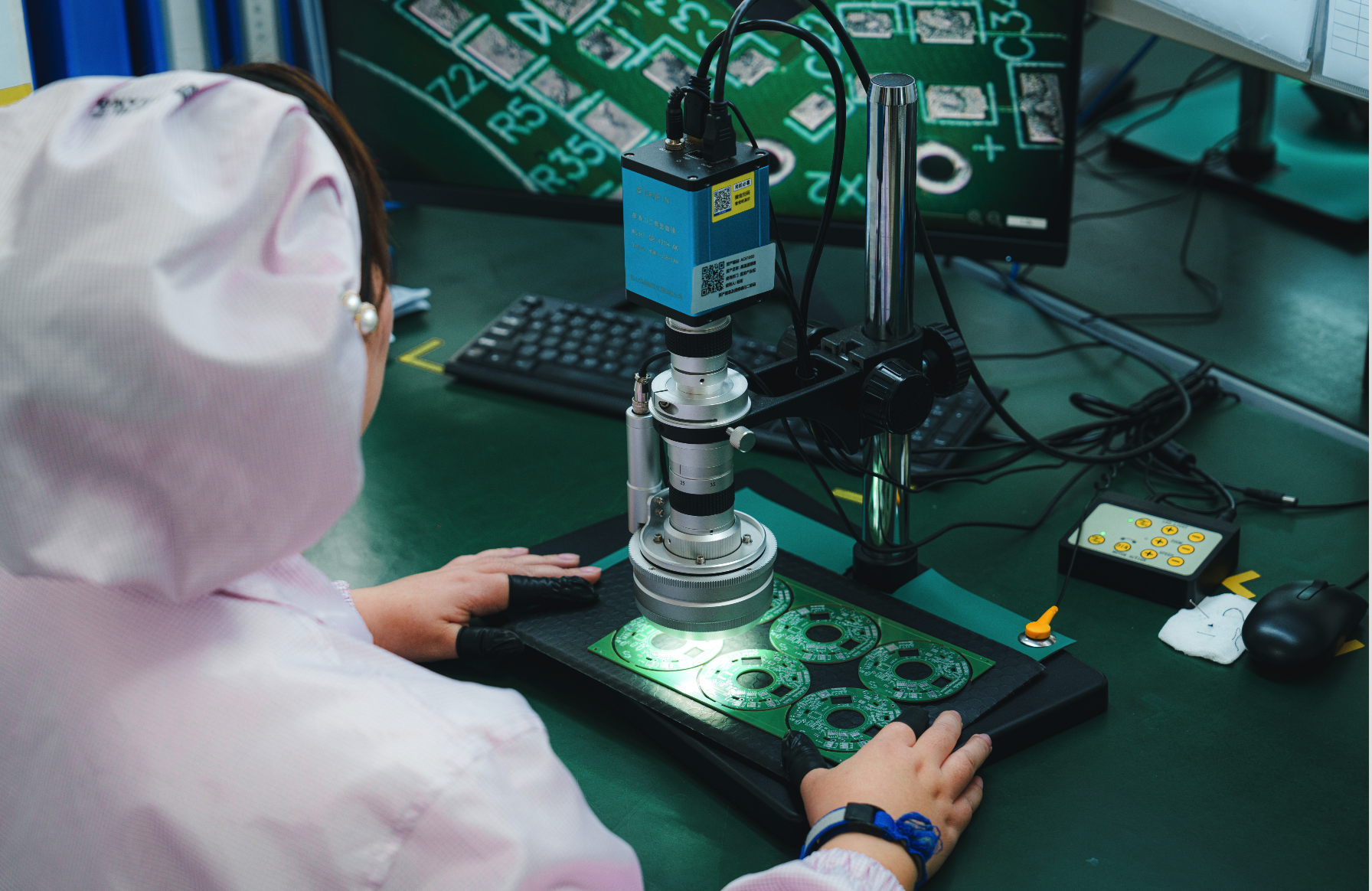
Reliability is managed through 100% unit performance verification, controlled production records, dynamic balancing requirements, L10 bearing-life review, and traceability where lifecycle documentation is required.
Strategic Market Applications
-
![Perseus product image]()
Military Aircraft:
Avionics bays, mission computers, targeting pods, UAV payloads, and flight-control electronics.
-
![Perseus product image]()
Radar & Electronic Warfare:
AESA radar arrays, RF power modules, and signal processing suites requiring low-EMI cooling.
-
![Perseus product image]()
Ground Vehicles:
Main Battle Tanks (MBTs), Infantry Fighting Vehicles (IFVs), and shelters exposed to vibration, shock, and dust.
-
![Perseus product image]()
Naval Vessels:
Shipboard C4ISR, naval electronics, and maritime communication systems requiring humidity and corrosion-risk review.
-
![Perseus product image]()
Civil Aviation:
Thermal management for avionics, cabin electronics, and replacement projects with customer-defined program requirements.
-
![Perseus product image]()
Semiconductor Equipment:
Low-vibration thermal management for epitaxy, etching, thin-film deposition, and high-temperature process tools.


Engineering Approach
We design based on the physics of your system, not catalog specifications:

System Impedance Analysis: Review installed airflow and backpressure so the fan operates at the correct point on the thermal model.

SWaP Optimization: Balance size, weight, power, acoustic limits, maintainability, and qualification planning.

Form-Fit-Function Modernization: Compare mechanical interface, electrical compatibility, P-Q curve equivalence, and documentation needs for legacy cooling hardware.
Our Global Clients
Perseus delivers engineered cooling and structural-thermal solutions built to the physics of the platform. From early technical review and prototype support to production documentation and lifecycle replacement planning, our engineering team helps define the right thermal solution rather than the nearest catalog item.

Bring us your airflow target, voltage interface, envelope limit, qualification standard, or obsolete part number. We will help translate those constraints into a practical cooling and integration path.