


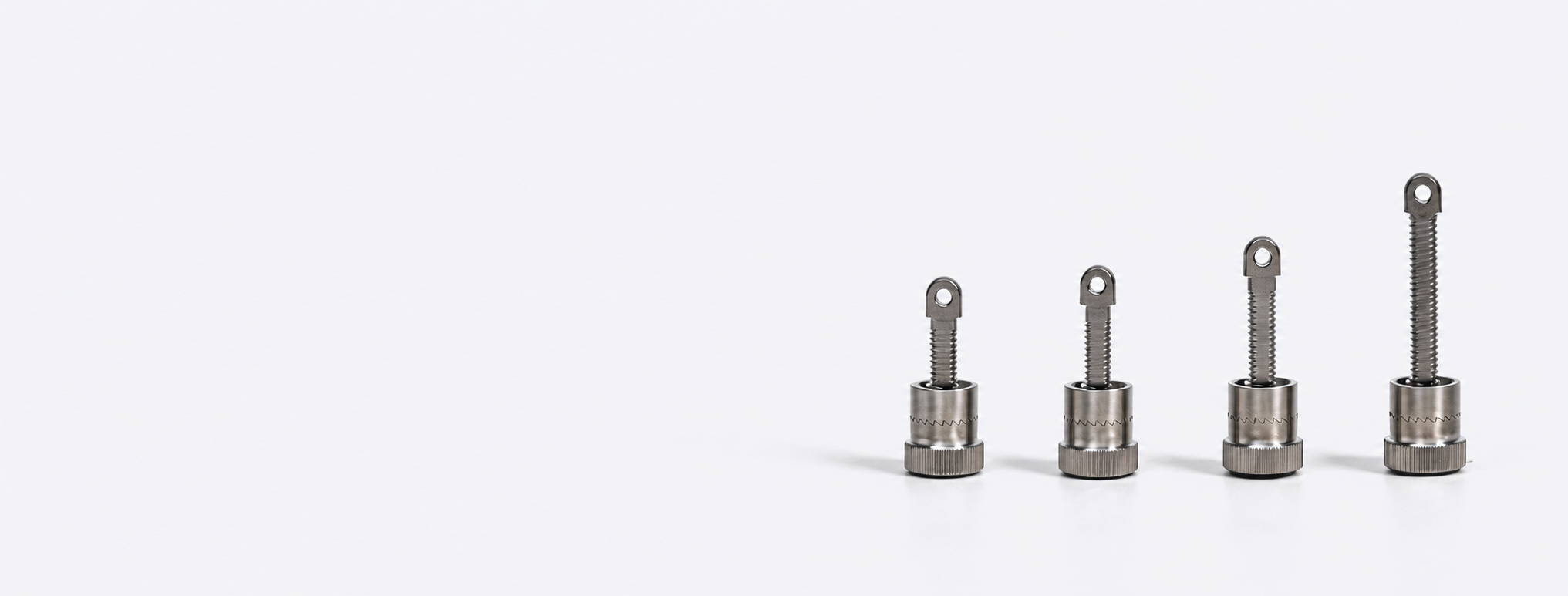
Rugged LRU Front Locking Devices for Military Chassis
Tool-Free Retention for Aerospace, Naval, and Tactical Electronics
Perseus front locking devices secure LRUs, avionics modules, and rack-mounted electronics in rugged platform cabinets. Available latch families include self-locking cam latches, hold-down hooks, and B-type lockers with standard mounting spacing options such as 45 mm, 48 mm, 55 mm, 70 mm, and 111.1 mm. Material and finish options include aerospace aluminum, stainless steel, hard anodize, and stainless passivation by configuration.
Tool-Free Retention for Aerospace, Naval, and Tactical Electronics
Perseus front locking devices secure LRUs, avionics modules, and rack-mounted electronics in rugged platform cabinets. Available latch families include self-locking cam latches, hold-down hooks, and B-type lockers with standard mounting spacing options such as 45 mm, 48 mm, 55 mm, 70 mm, and 111.1 mm. Material and finish options include aerospace aluminum, stainless steel, hard anodize, and stainless passivation by configuration.
Core Technical Features
Self-Locking Latch Options:
Cam-action latch designs provide positive retention for ATR, VPX, and custom electronics chassis where tool-free module access is required.
Hold-Down Hook Integration:
Quick-release hold-down hooks help secure shelf-mounted equipment and enclosure assemblies under continuous vibration and handling loads.
Materials and Finishes:
Aerospace aluminum and stainless steel options support hard anodize, stainless passivation, and maritime-environment finish requirements.
Field Maintenance Access:
Tool-free operation and tactile lock confirmation help technicians remove or reinstall LRUs during maintenance without disturbing adjacent modules.
Typical Applications
-
![Avionics Rack LRUs]()
Secures mission computers, signal processors, and communication modules in rack-mounted avionics cabinets.
Avionics Rack LRUs
-
![Shipboard Electronics Cabinets]()
Supports positive retention for naval consoles and communication cabinets exposed to vibration and salt-laden environments.
Shipboard Electronics Cabinets
-
![Ground Mobile Shelter Electronics]()
Locks field-replaceable electronics inside transportable shelters and tactical vehicle command systems.
Ground Mobile Shelter Electronics
-
![Test and Maintenance Racks]()
Provides quick-release retention for diagnostic instruments and modular test equipment that require repeated access.
Test and Maintenance Racks


Series Selection Guide
Front Locking Device Selection Guide
| Parameter | Available Configuration | Engineering Notes |
|---|---|---|
| Latch Types | Self-locking cam latches / hold-down hooks / B-type lockers | Select by chassis interface and retention method. |
| Mounting Spacing | 45 / 48 / 55 / 70 / 111.1 mm standard options | Confirm final hole pattern from module front-panel drawings. |
| Materials | Aerospace aluminum / stainless steel | Material selection depends on mass target, corrosion exposure, and mating hardware. |
| Surface Finish | Hard anodize / stainless passivation | Finish requirements should match platform corrosion-control plan. |
| Operation | Tool-free tactile lock confirmation | Useful for LRUs requiring regular field maintenance access. |
| Complementary Hardware | Grounding studs / hinge mounts / guide pins / guide bushings | Accessory selection is reviewed with the chassis integration package. |
Front Locking Devices for Panel-Mounted Fan Assemblies
Perseus front locking devices provide secure front-accessible retention for panel-mounted and front-loading fan trays in military electronics cabinets, avionics racks, and ruggedized enclosures. These devices enable fan installation and removal from the front panel without requiring access to the rear of the equipment or disassembly of adjacent components.
Front locking mechanisms are designed for positive detent engagement with visual and tactile confirmation of locked status. Materials and finishes are qualified for -55°C to +85°C operation with resistance to salt fog, humidity, and common aviation fluids per MIL-STD-810H. The locking design maintains consistent clamping force under vibration and thermal cycling conditions.
Engineering answer: Front locking devices should be selected to match the fan tray or panel cutout dimensions and required retention force. Verify that the latch engagement depth provides adequate pull-out resistance for the application's shock and vibration levels without creating excessive insertion or release force.
Engineering answer: When installing front locking devices, ensure that the fan assembly is fully seated before engaging the latch. The latch should produce a positive click when locked, and a visual inspection should confirm the locking tab is fully engaged behind the chassis mounting flange.
Engineering Resources
Technical guides to support your fan selection and system integration.
How to Read P-Q Curves for Military Fan Selection
Understand static pressure, airflow operating points, and system impedance for defense cooling applications.
Military Cooling Fan Selection Guide
Selection criteria for military cooling fans including environmental standards and qualification requirements.
28VDC Avionics Cooling Fan Evaluation
Evaluation framework for 28VDC avionics fans covering startup current, airflow, and EMI considerations.
Technical Insights
Engineering insights on thermal management, fan selection, and defense electronics cooling.