






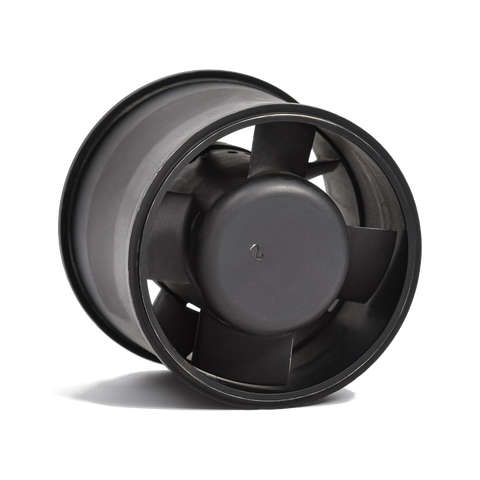
Titan PCG67JFZY722-63G-AA
Dia. 76.2mm x 65.5mm Frame
200V / 115V AC, 400Hz Platform


Naval Cooling | Shipboard Electronics | Salt Fog Resistant | MIL-DTL-901E | Acoustic Stealth | Sonar Systems | AESA Radar | Submarine | MIL-STD-461 | IP68 | 28VDC | 400Hz
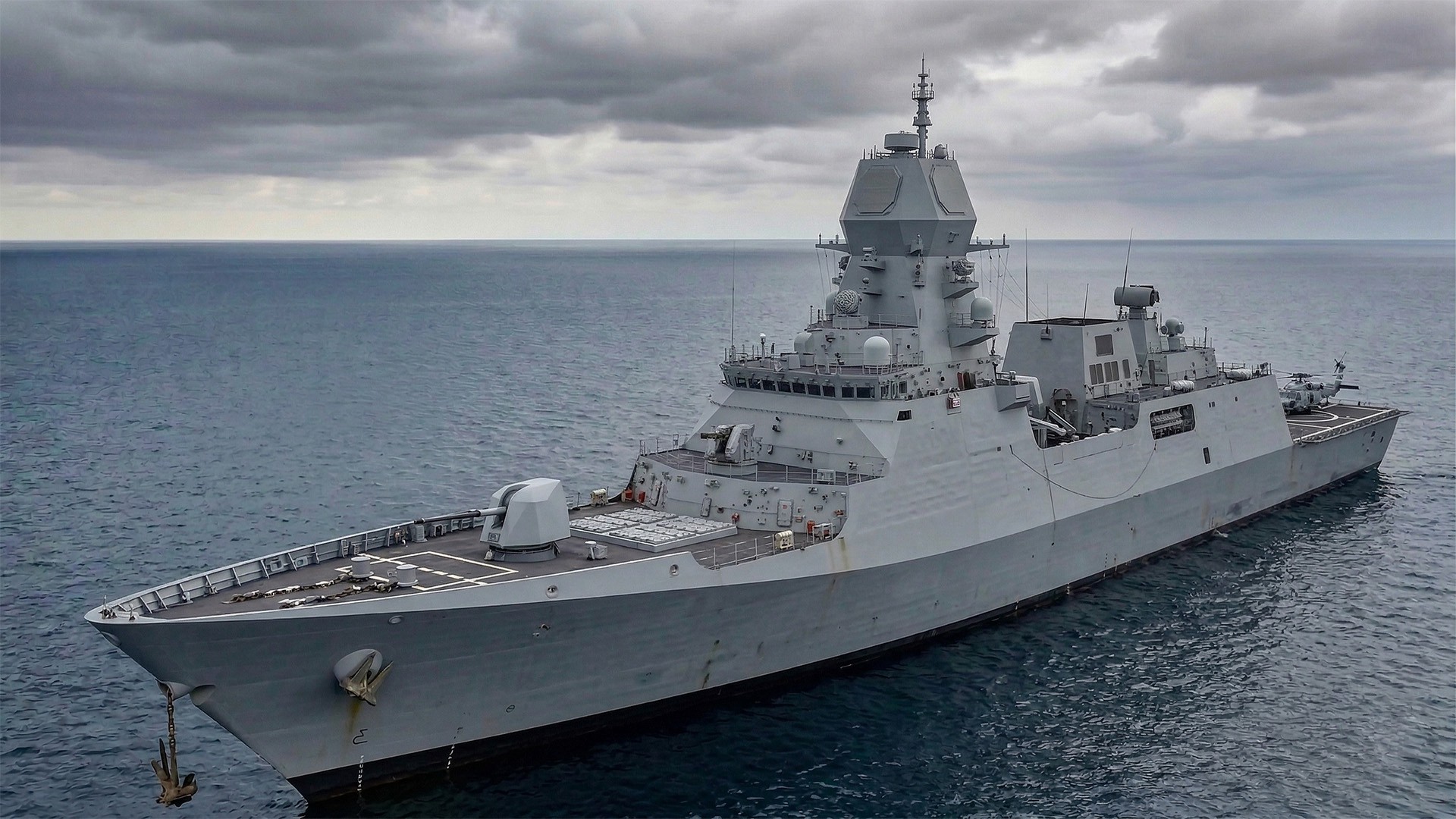
Modern naval platforms—from surface combatants to nuclear submarines—operate in one of the most electrically and mechanically hostile environments on earth. Shipboard electronics face relentless salt-fog corrosion, high-humidity condensation, underwater explosion shock loads, and strict acoustic signature requirements that standard commercial cooling hardware cannot survive.

Perseus delivers marine-grade thermal management systems validated to the full suite of naval defense specifications. Our fan assemblies, blower modules, and integrated chassis solutions provide mission-critical cooling for AESA radar arrays, sonar processing cabinets, combat management systems, and submarine life support electronics—engineered to remain operational through the most demanding maritime combat scenarios.
High-reliability cooling for AESA radar arrays and fire control consoles, maintaining thermal stability through salt-fog, humidity, and combat shock loads.
Ultra-low-noise thermal management for passive and active sonar electronics, meeting the strictest acoustic stealth requirements of ASW and submarine platforms.
Reliable forced-air cooling for satellite terminals, bridge systems, and shipboard data centers in high-humidity, condensation-prone below-deck compartments.
Acoustically silent, low-vibration fan systems for confined submarine compartments with zero tolerance for mechanical failure or noise signature.
Rack-mounted fan and heat exchanger assemblies for high-density electronics cabinets and PC card racks aboard surface combatants
Specialized spot cooling solutions for mast-mounted radar antennas and exterior ship surface equipment exposed to direct salt spray, UV radiation, and extreme thermal cycling.
Forced-air and liquid-assisted cooling for shipboard power supplies, frequency converters, and transformer units, maintaining MIL-STD-461 EMI compliance to protect adjacent signal systems.
EMI-stealth cooling for shipboard EW suites and SIGINT receivers, where any conducted or radiated emissions from cooling hardware risk compromising sensitive signal interception and jamming operations.
Liquid-cooled heat exchanger and fan assemblies utilizing the vessel's chilled water supply for high-heat-load rack cooling on Columbia-class and Virginia-class submarines and San Antonio-class transport docks.
1. Multi-Layer Marine Corrosion Defense
Unprotected cooling hardware corrodes rapidly in salt-laden shipboard environments, creating critical failure points in mission systems. Our fan assemblies utilize marine-grade anodized aluminum and 316L stainless steel construction with multi-layer PTFE protective coatings, reviewed against salt-fog exposure planning such as MIL-STD-810H Method 509.7 where required—delivering reduced corrosion risk across the intended service interval when coating, drainage, and maintenance conditions are controlled.

2. Aero-Acoustic Optimization for Stealth Operations
Cooling fans operating near sonar arrays and ASW electronics risk generating acoustic signatures that compromise detection capability and vessel stealth. Our aero-acoustically optimized blade profiles, precision dynamic balancing, and vibration-isolated mounting systems minimize both airborne and structure-borne noise emissions to meet the strictest submarine and ASW platform acoustic requirements—without sacrificing thermal performance.

3. MIL-DTL-901E Shock-Hardened Construction
Underwater explosion shock loads and combat maneuvers subject shipboard cooling systems to extreme transient impulse forces that destroy standard hardware. Our housings are engineered from high-strength marine alloys with shock-hardened bearing assemblies and GMZ/GMX series adaptive damping isolators, designed for program-specific review against MIL-DTL-901E shock requirements, with continued-operation acceptance defined by the final vessel test plan.

4. Full-Spectrum EMI Stealth & IP68 Sealing
Dense shipboard RF environments demand cooling systems that reduce emission risk near radar, sonar, and communication chains, while sealed compartments require moisture-ingress control. Our BLDC motors feature advanced internal EMI filtering and conductively grounded housings designed for MIL-STD-461G CE102/RE102 review, combined with fully encapsulated IP68-rated motor windings and PCBAs—reducing electromagnetic-emission and moisture-ingress risk when the final installation is correctly sealed and grounded.
| Cooling Method | Corrosion Resistance | Acoustic Impact | Shock Tolerance | Best For |
|---|---|---|---|---|
| Air-Cooled (Marine-Grade Sealed) | IP68 / 500hr Salt Spray | Low (with aero-acoustic optimization) | MIL-DTL-901E Rated | Radar arrays, combat management, comms racks |
| Liquid-Cooled (Closed Loop) | None (sealed system) | None | High | High-power sonar processors, power converters |
| Conduction-Cooled | None (no airflow) | Zero | High | Submarine sealed enclosures, stealth-critical pods |

Explore our military-grade cooling fan product lines for your application.