






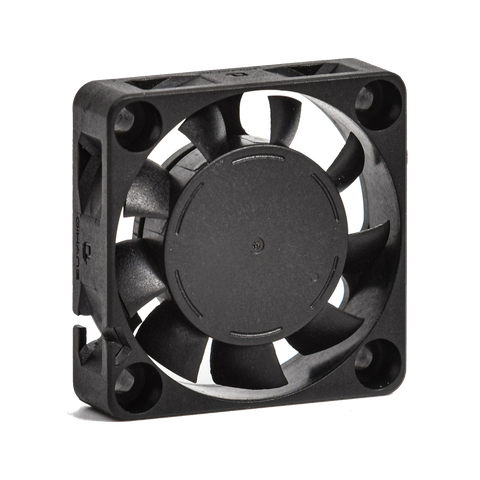
Minipro PCG27FZW39-10G-AA
30mm x 30mm x 10mm Frame
12V DC Platform


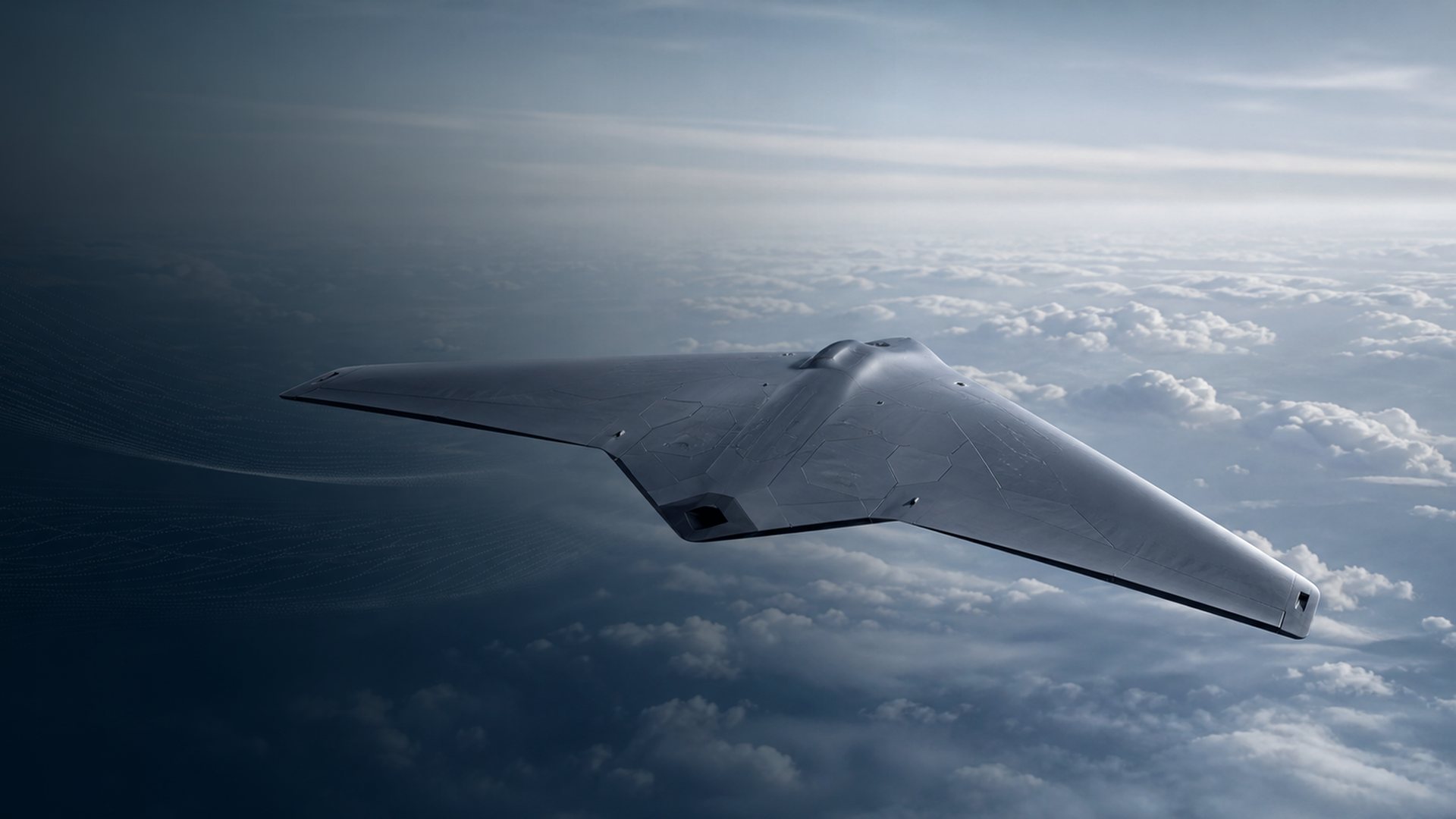
MIL-STD-810H & MIL-STD-461G Planning | SWaP-C Optimized | -55°C to +85°C Options | Altitude Derating Review
Engineered for the uncompromising demands of modern defense platforms, Perseus vaneaxial, tubeaxial, and brushless DC fans provide critical thermal management for AESA radars, mission computers, and electronic warfare (EW) suites. These solutions support drop-in replacement review for legacy fan installations and help maintain system stability when airflow, static pressure, voltage interface, and altitude derating are reviewed against the final platform profile.
Mission computers and flight control systems.
AESA radar arrays and signal processors.
Jamming pods and signal-interference subsystems.
Cabin ECS and pilot environment control.
High-density power supply module heat dissipation.
Long-endurance drone sensors and gimbals.
Rugged server blades and rack-mount systems.
Noise-sensitive airborne communication suites.
SATCOM electronics and frequency converters.
SWaP-C Optimization
Integrated compact motor controllers eliminate the need for external driver boards.

EMI-Silent Operation
Built-in MIL-STD-461G filtering reduces EMI risk near sensitive radar signals when the final cable and grounding layout is controlled.
| Feature | Specification |
|---|---|
| Environmental Standard | Qualification planning references MIL-STD-810H shock, vibration, humidity, and salt fog methods |
| EMI/EMC Compliance | MIL-STD-461G CE102/RE102 planning support for low-emission cooling architectures |
| Operational Altitude | Altitude performance reviewed against program-defined pressure profiles |
| Temperature Range | -55°C to +85°C (Military-grade wide temperature) |
| Power Architecture | 28VDC, 115VAC 400Hz, 3-Phase (Aerospace-grade filtering) |
| Cooling Topology | Vaneaxial, Tubeaxial, and Centrifugal Blower configurations |

Explore our military-grade cooling fan product lines for your application.