





Military & Defense Avionics Cooling Solutions

High-Reliability MIL-SPEC Fans for Mission-Critical Airborne Systems

MIL-STD-810H & MIL-STD-461G Planning | SWaP-C Optimized | -55°C to +85°C Options | Altitude Derating Review

Solution Overview

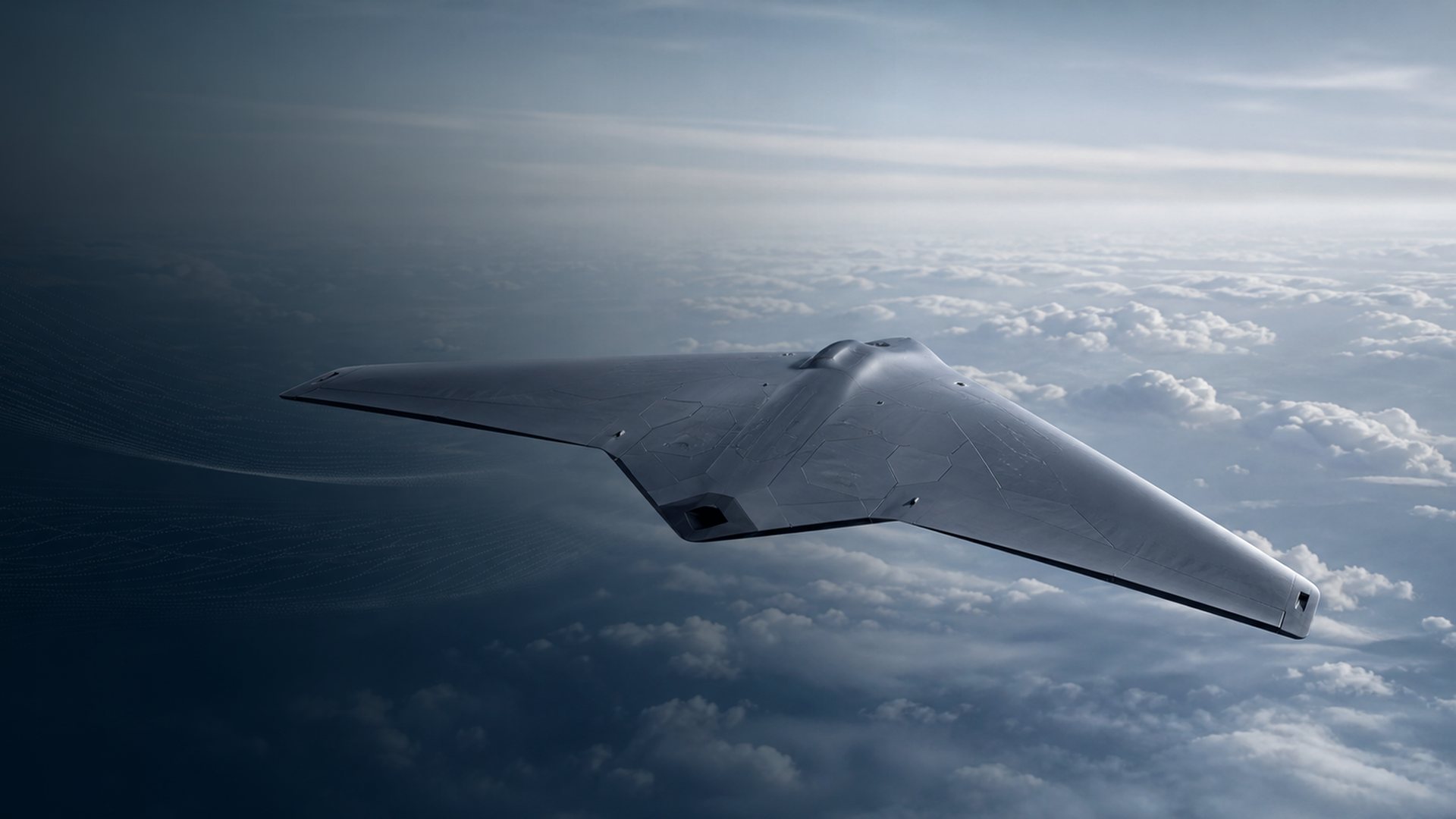
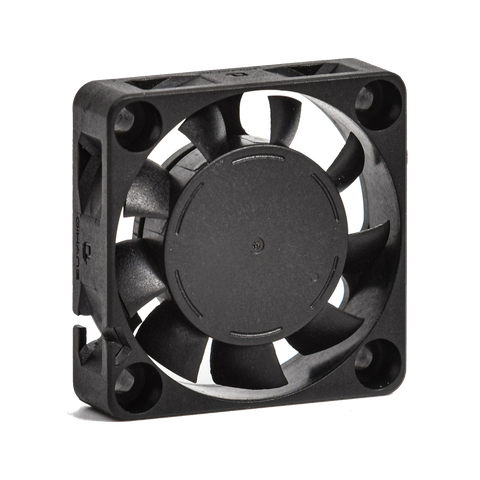
Engineered for the uncompromising demands of modern defense platforms, Perseus vaneaxial, tubeaxial, and brushless DC fans provide critical thermal management for AESA radars, mission computers, and electronic warfare (EW) suites. These solutions support drop-in replacement review for legacy fan installations and help maintain system stability when airflow, static pressure, voltage interface, and altitude derating are reviewed against the final platform profile.

Application Scenarios

  • Avionics Cooling

    Mission computers and flight control systems.
  • Radar Cooling

    AESA radar arrays and signal processors.
  • Electronic Warfare (EW)

    Jamming pods and signal-interference subsystems.
  • Cockpit Ventilation

    Cabin ECS and pilot environment control.
  • Power Conversion

    High-density power supply module heat dissipation.
  • UAV Payload Systems

    Long-endurance drone sensors and gimbals.
  • Electronics Rack Cooling

    Rugged server blades and rack-mount systems.
  • EMI Filtration

    Noise-sensitive airborne communication suites.
  • Satellite Terminals

    SATCOM electronics and frequency converters.

Core Challenges

  • Altitude Derating Review:Reviews mass-flow margin under reduced air density using the platform altitude profile and installed impedance curve.
  • Extreme Thermal Cycling:Stable operation from -55°C cold-soak to +85°C ground-soak environments.
  • Weight-Critical Integration:Up to 40% lighter than legacy equivalents via aluminum alloy and high-strength PPO construction.
  • Harsh-Environment Survivability:Tested to MIL-STD-810H for shock, vibration, and salt-fog resistance.

How we solve it

SWaP-C Optimization:
Integrated compact motor controllers eliminate the need for external driver boards.

EMI-Silent Operation:
Built-in MIL-STD-461G filtering reduces EMI risk near sensitive radar signals when the final cable and grounding layout is controlled.

FeatureSpecification
Environmental StandardQualification planning references MIL-STD-810H shock, vibration, humidity, and salt fog methods
EMI/EMC ComplianceMIL-STD-461G CE102/RE102 planning support for low-emission cooling architectures
Operational AltitudeAltitude performance reviewed against program-defined pressure profiles
Temperature Range-55°C to +85°C (Military-grade wide temperature)
Power Architecture28VDC, 115VAC 400Hz, 3-Phase (Aerospace-grade filtering)
Cooling TopologyVaneaxial, Tubeaxial, and Centrifugal Blower configurations

Frequently AskedQuestions (FAQ)

  • How does altitude or low pressure affect cooling fan selection?
    A: Altitude reduces air density, so the same volumetric airflow carries less heat away from electronics. MIL-STD-810H Method 500.6 is the usual low-pressure planning reference, with procedures for storage, operation, rapid decompression, and explosive decompression. For airborne payloads and UAV electronics, review the fan P-Q curve at the expected pressure profile, the enclosure impedance curve, and the required temperature rise. Perseus specifications include low-pressure operating references on selected models, including 19.4 kPa operation for the Titan 400Hz AC reference model. 
  • How should PWM, FG, and RD signal wiring be reviewed near avionics or RF equipment?
    A: PWM, FG, and RD wiring should be reviewed as part of the electrical interface, not as accessory wiring. PWM control requires a shared reference with the fan negative lead unless an isolation scheme is used. FG and RD outputs are normally open-collector style signals and require the correct pull-up voltage and resistor; they should not be paralleled across multiple fans. In RF-sensitive equipment, harness routing, shield termination, grounding, and CE102/RE102 pre-screening are as important as the nominal signal logic. 
  • How should I size power supply margin for startup current and bus transients?
    A: Power sizing should include nominal voltage, continuous current, startup current, and the platform transient profile. BLDC fans often draw 1.5 to 3 times rated current for a short startup interval. Aircraft and vehicle platforms may also impose surge, brownout, reverse polarity, or load-dump requirements. For 28VDC equipment, review the invoked MIL-STD-704 or MIL-STD-1275 profile. For 400Hz AC equipment, verify line/phase voltage, frequency tolerance, inrush behavior, and dielectric withstand requirements. 
  • What installation clearance is needed for avionics bays and dense electronics racks?
    A: A fan installed too close to a board, wall, filter, or bend can lose airflow and create tonal noise. As a first-pass rule, keep inlet and outlet clearance near 1 to 2 fan thicknesses when the enclosure allows it, avoid abrupt duct expansions or contractions, and use turning vanes where airflow must bend sharply. If space is constrained, verify the operating point with the P-Q curve and enclosure impedance rather than assuming the free-air CFM value will reach the heat source. 
  • What test documentation should I request before qualification or RFQ?
    A: For a serious RFQ, request the P-Q curve, outline drawing, electrical interface definition, connector or lead specification, inrush-current data, PWM/FG/RD logic, acoustic data, bearing-life basis, and environmental test references. For defense and aerospace programs, also request the applicable MIL-STD-810H method matrix, CE102/RE102 pre-screening data when EMC risk exists, and the power-quality reference such as MIL-STD-704 or MIL-STD-1275. The best supplier response ties each document to your platform test plan rather than sending a generic catalog page.