

Climatic Environmental Testing
The Defense Environmental Qualification Requirement
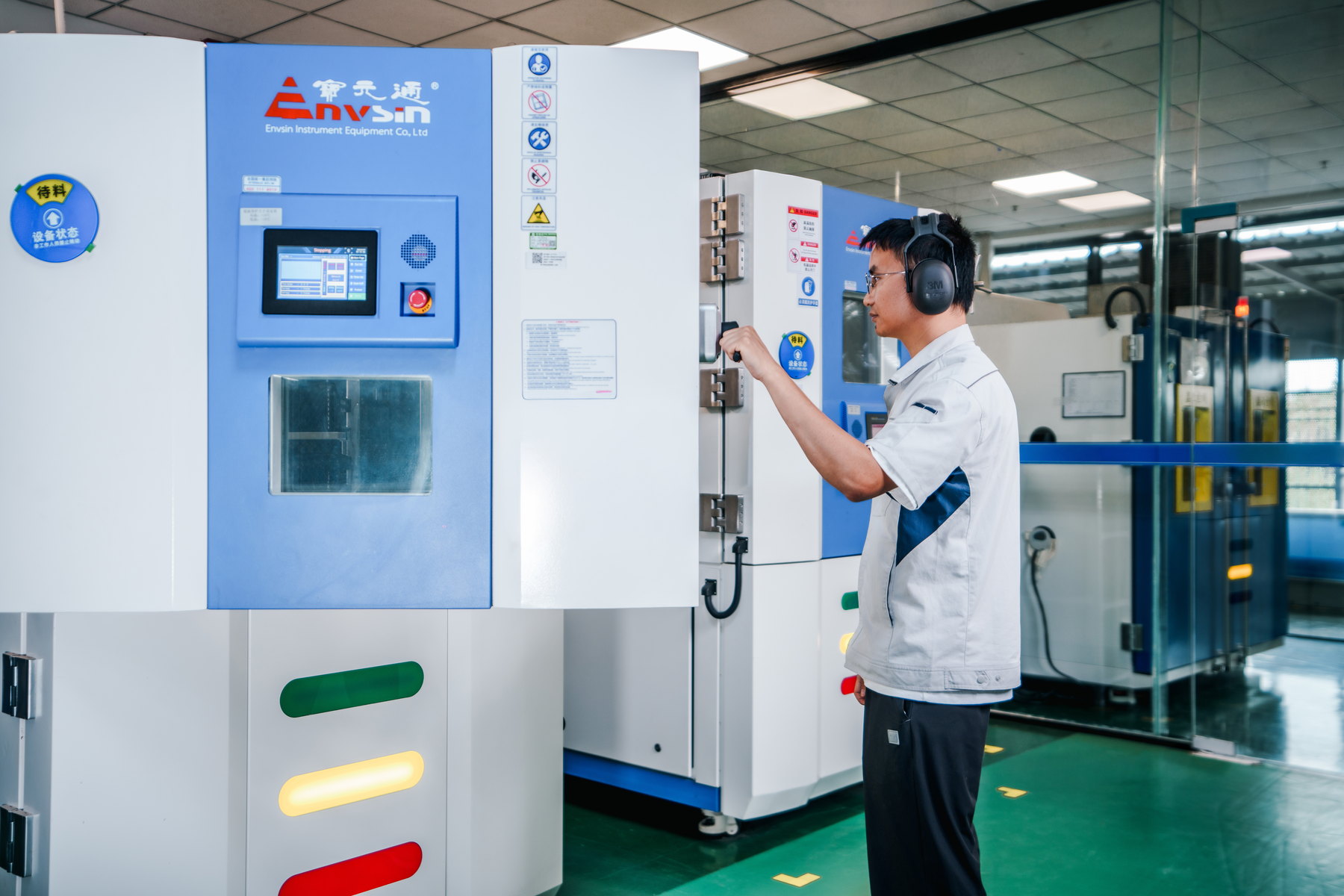
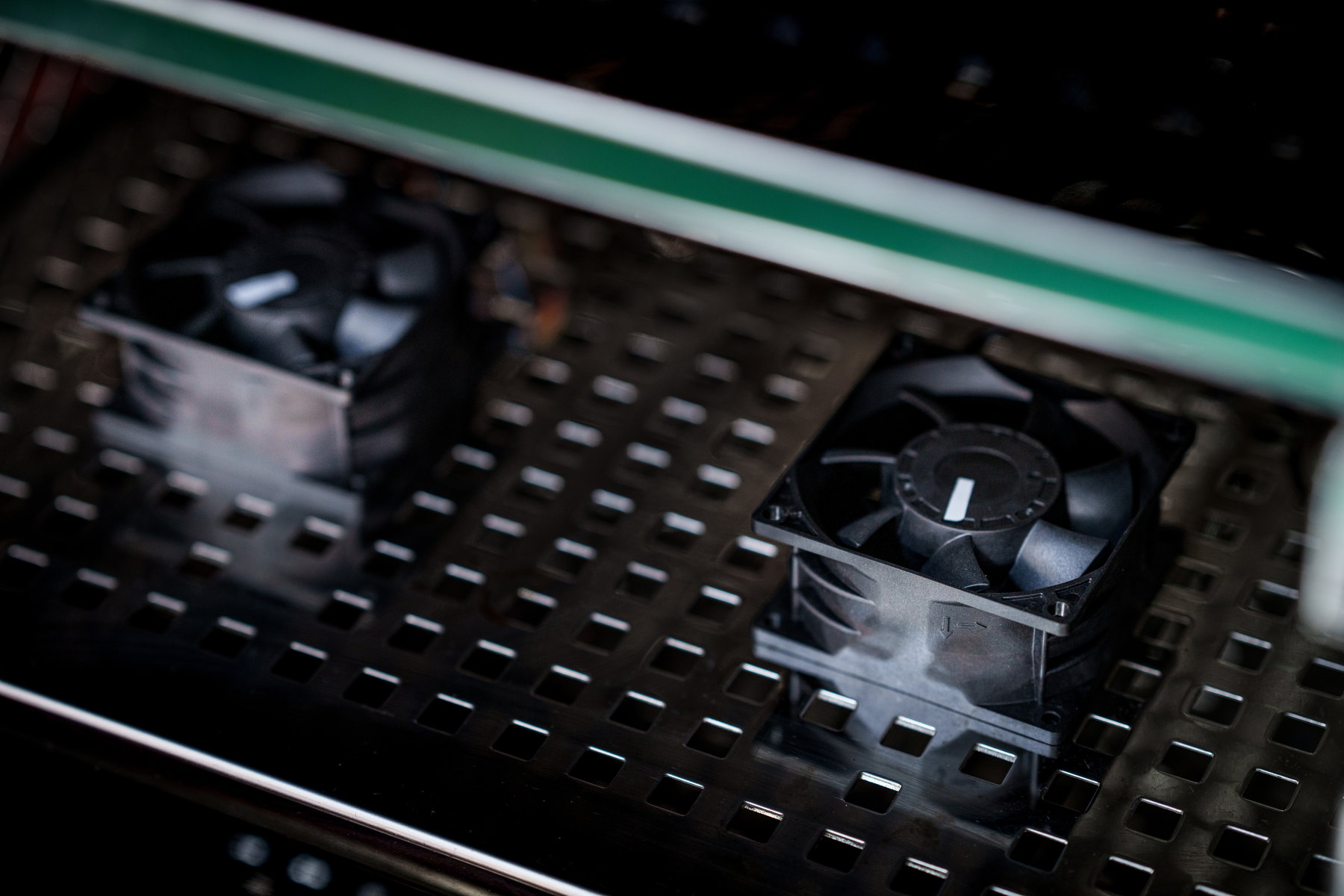
Defense electronics cooling fans operate in environments that commercial-grade components are not designed to survive. Naval vessels, desert radar systems, ground vehicles, and airborne electronics can expose fans to temperature extremes, humidity, corrosion, rain, sand, dust, and pressure changes.
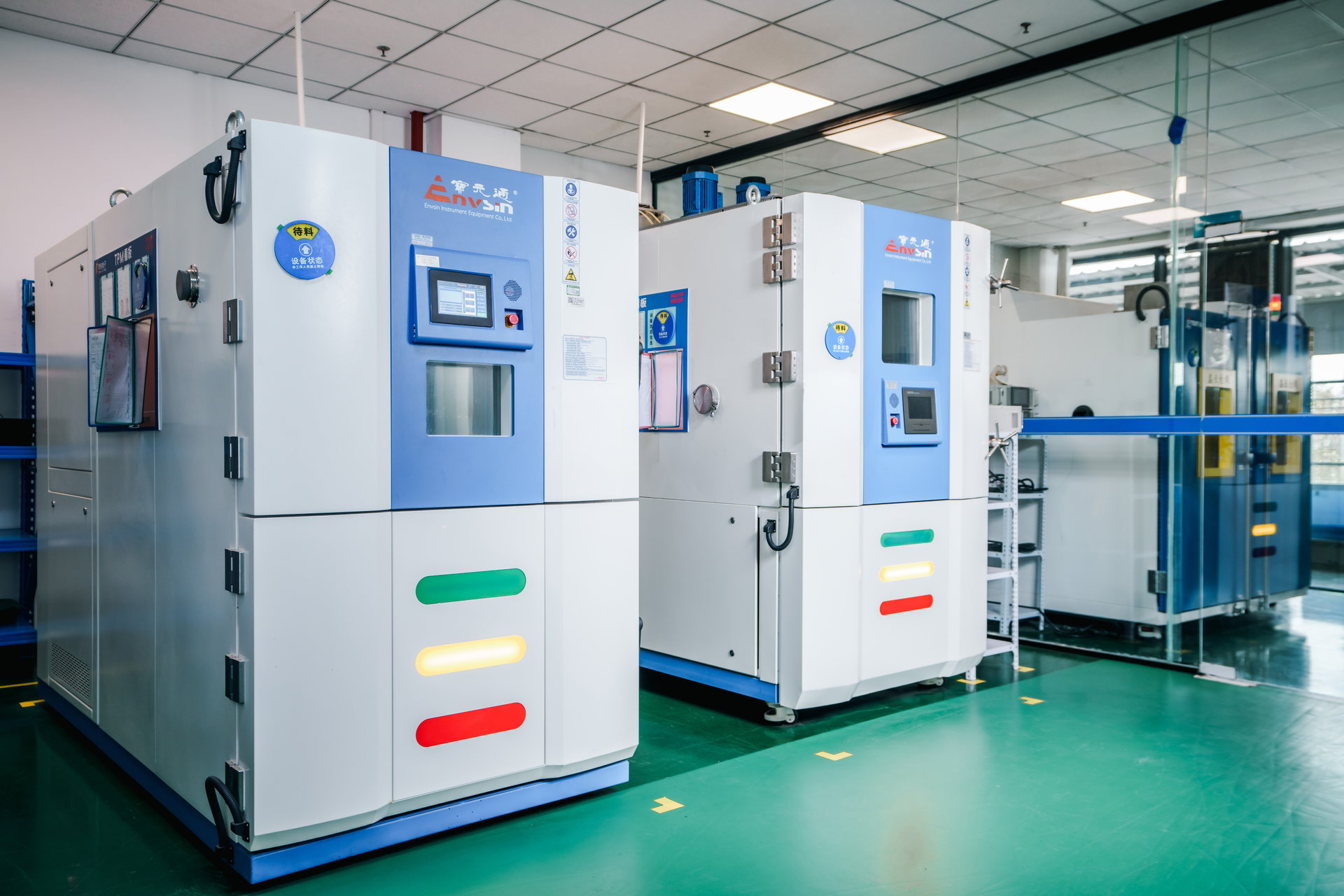
Perseus reviews climatic environmental validation against the program's required international standards and acceptance criteria. Typical planning references include MIL-STD-810H methods for temperature, humidity, rain, sand and dust, salt fog, low pressure, and fungus resistance where applicable.
Temperature and Humidity Testing
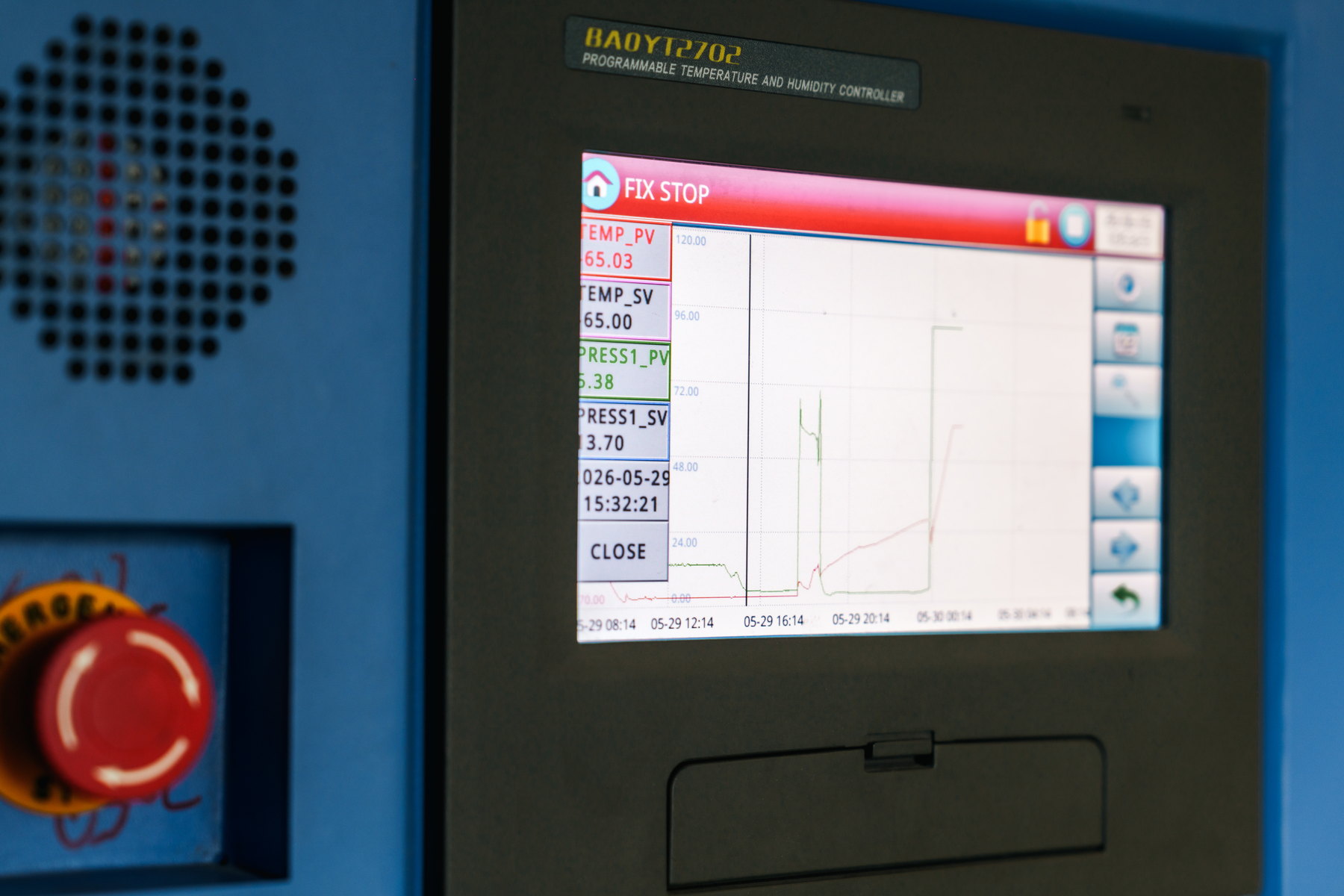
High-temperature operation can reference MIL-STD-810H Method 501.7 when sustained hot-operation behavior must be verified.
Low-temperature startup and operation can reference MIL-STD-810H Method 502.7, including cold-soak startup concerns.
Temperature shock can reference MIL-STD-810H Method 503.7 to review differential expansion and material-interface stress.
Humidity exposure can reference MIL-STD-810H Method 507.6 for moisture-related insulation, corrosion, and sealing risks.
Corrosion, Water, and Particle Exposure
Salt fog planning can reference MIL-STD-810H Method 509.7 for marine and coastal corrosion exposure. Rain testing can reference Method 506.6, sand and dust testing can reference Method 510.7, and fungus review can reference Method 508.8 when material susceptibility is part of the program requirement.
The useful qualification record should identify the exact product configuration, sealing approach, connector interface, test method, procedure, duration, and acceptance criteria. A standard name alone is not enough for engineering approval.
Engineering Consultation & Quote Request
Technical Consultation & RFQ Whether you require a standard MIL-SPEC cooling component or a fully integrated structural thermal control system, our engineering team is ready to assist. Submit your technical requirements, and our specialists will provide a preliminary assessment and thermal integration strategy within 24 hours.