

Combined Stress Validation (THV)
Why Single-Stress Testing Is Not Sufficient
Individual environmental tests are necessary, but they do not always reveal the failure modes seen in actual deployment. A fan in an airborne radar enclosure may experience elevated temperature, humidity exposure, and vibration at the same time. Those combined stresses can produce failures that temperature-only or vibration-only tests miss.
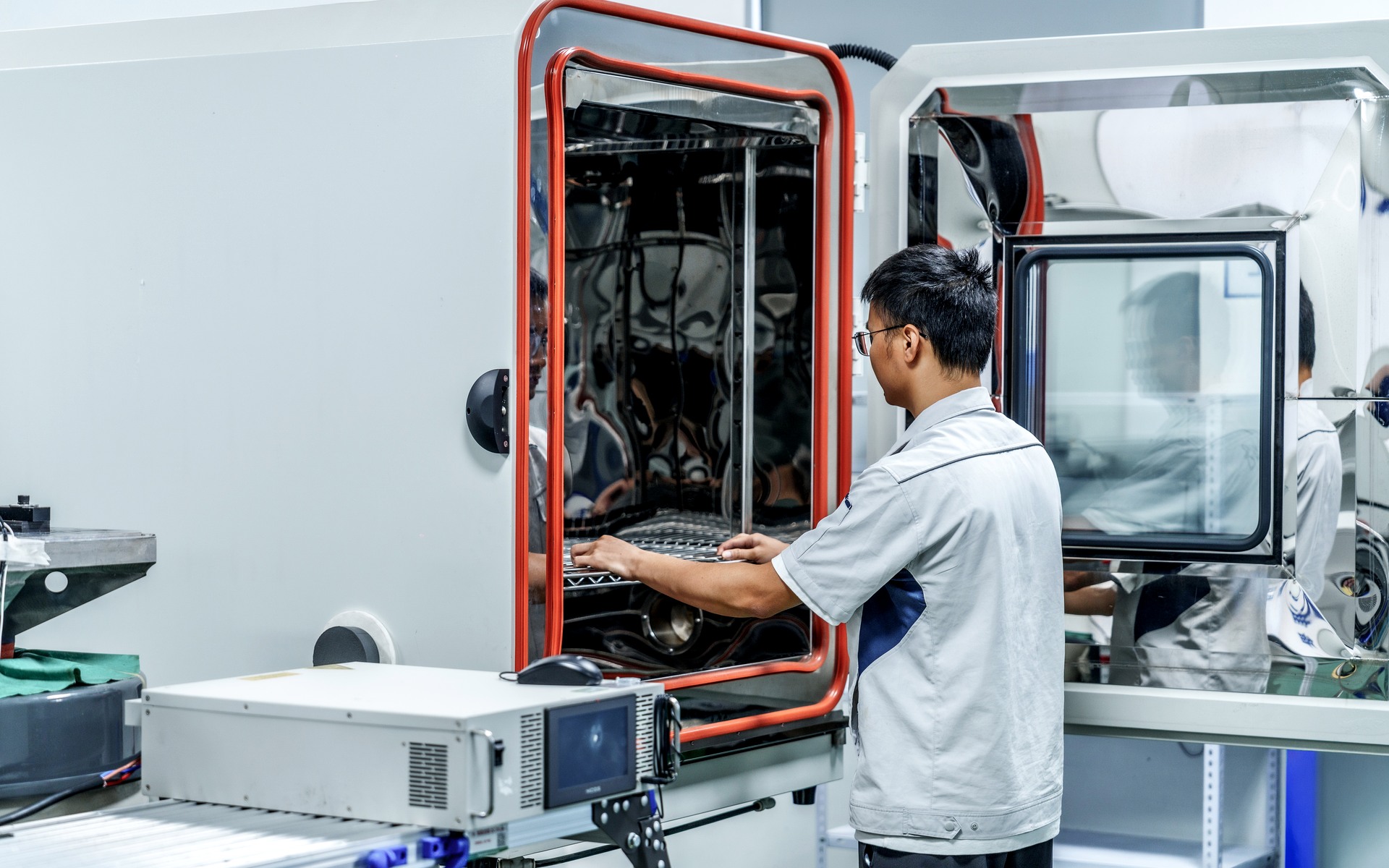
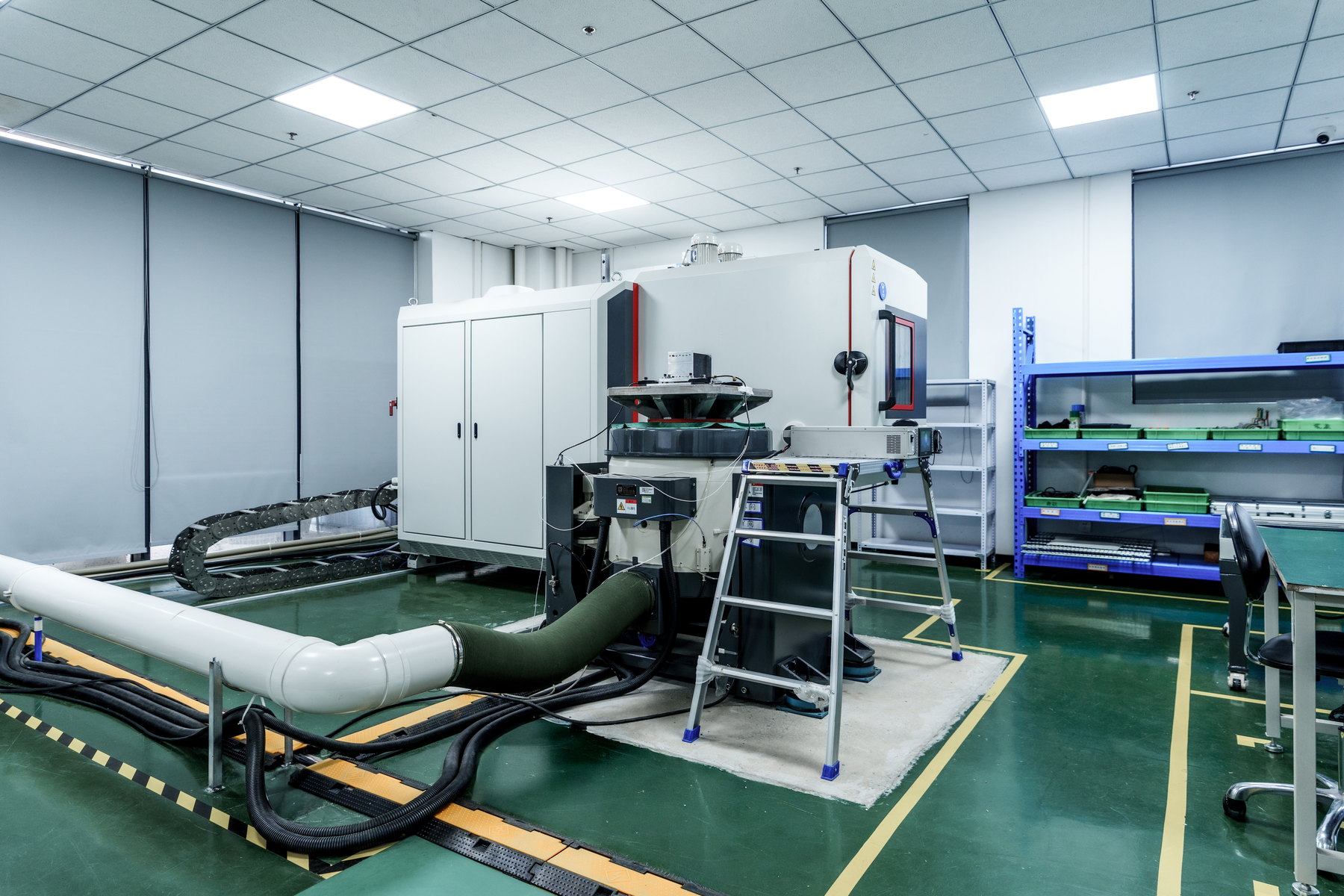
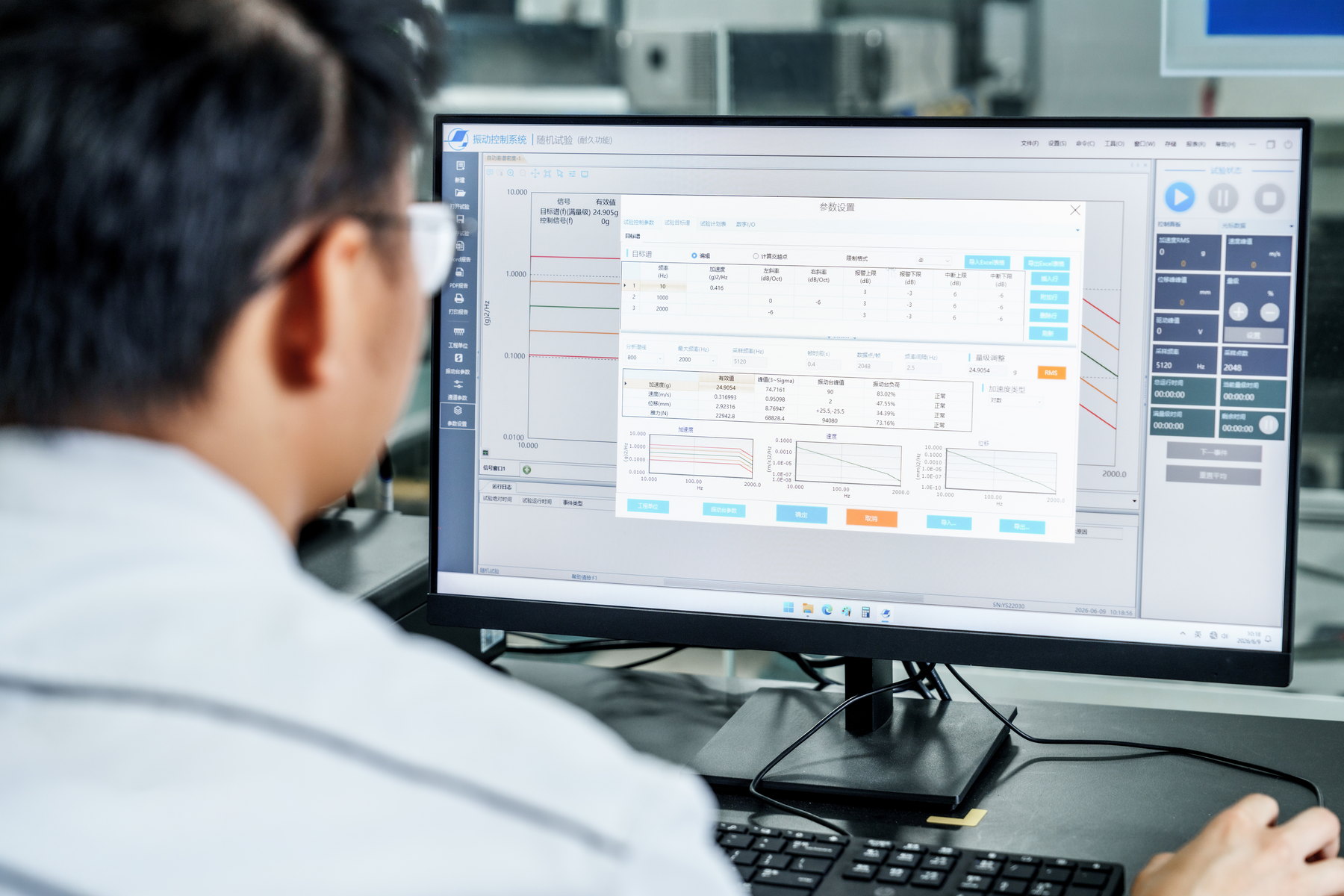
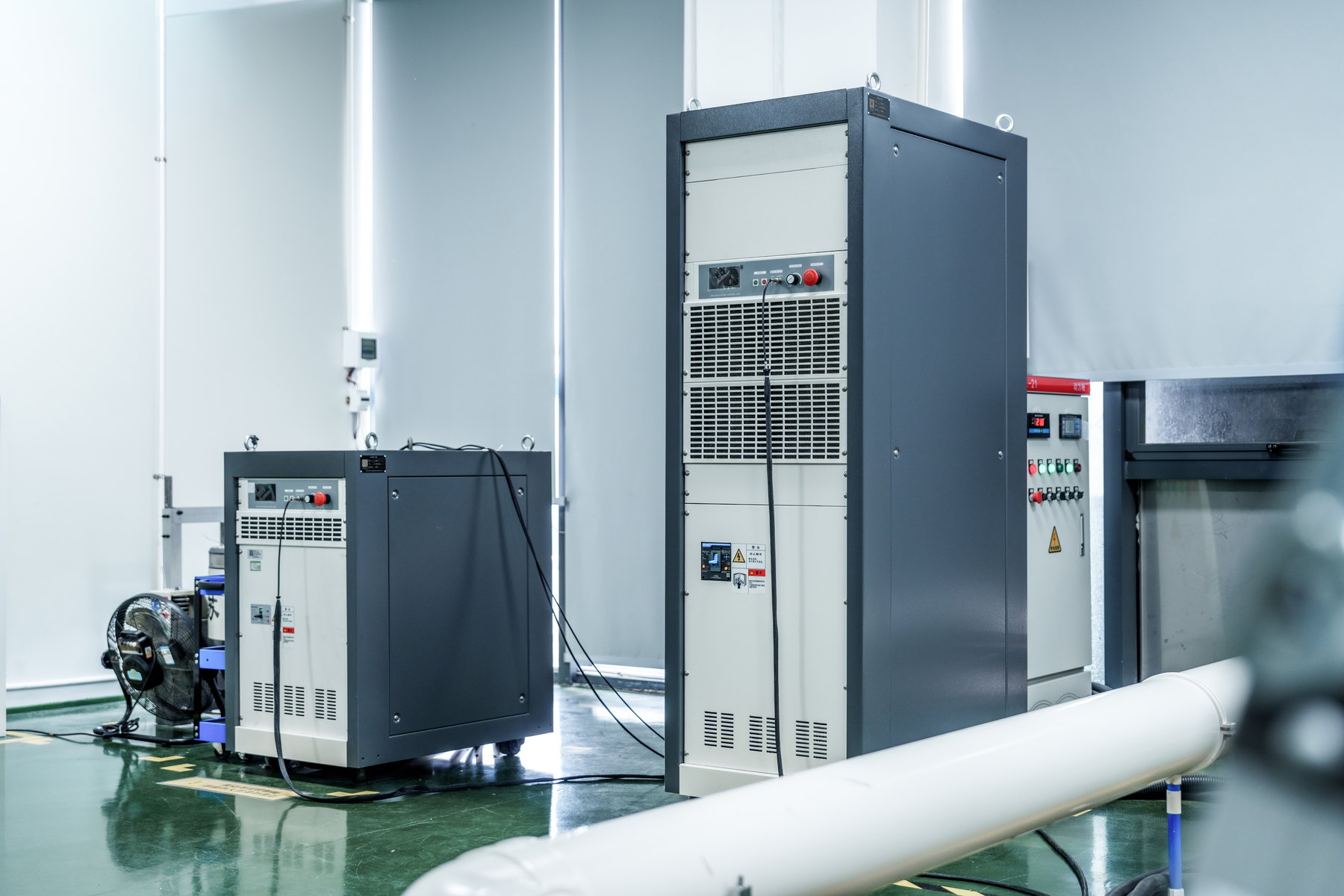
Temperature-Humidity-Vibration (THV) validation applies thermal, moisture, and vibration loads together under a program-defined profile. The profile can draw from MIL-STD-810H Method 501.7, Method 502.7, Method 507.6, and Method 514.8 depending on the platform environment.
Common Combined-Stress Failure Modes
Bearing lubricant degradation when elevated temperature reduces viscosity while vibration accelerates lubricant migration.
Connector fretting corrosion caused by vibration micro-motion combined with humidity and temperature cycling.
Potting or coating delamination as thermal expansion and vibration act on material interfaces.
Moisture ingress at seals that pass static humidity exposure but open under dynamic vibration.
Engineering Use of THV Data
THV testing is most valuable when the test profile is tied to the actual platform rather than used as a generic demonstration. Airborne, vehicle, and shipboard applications can have very different vibration spectra, temperature ranges, humidity exposure, and operating duty cycles.
Engineering Consultation & Quote Request
Technical Consultation & RFQ Whether you require a standard MIL-SPEC cooling component or a fully integrated structural thermal control system, our engineering team is ready to assist. Submit your technical requirements, and our specialists will provide a preliminary assessment and thermal integration strategy within 24 hours.