

Mechanical Endurance Testing
The Mechanical Environment of Defense Platforms
Defense electronics cooling fans are not installed in benign environments. Ground vehicles expose hardware to broadband vibration and shock. Shipboard electronics see continuous low-frequency vibration from propulsion and auxiliary machinery. Airborne systems experience random vibration, acceleration, and pressure changes.
Each platform has a different mechanical signature, so qualification planning must reference the platform environment and installation location rather than a generic commercial vibration requirement.
Vibration, Shock, and Acceleration Review
Resonance survey identifies structural resonance frequencies before endurance exposure.
Vibration planning can reference MIL-STD-810H Method 514.8, including procedure and category selection defined by the program.
Shock planning can reference MIL-STD-810H Method 516.8 when handling, transit, operational, or crash-safety shock exposure is required.
Acceleration planning can reference MIL-STD-810H Method 513.8 for sustained g-load conditions in airborne or maneuvering platforms.
Structural Design Philosophy
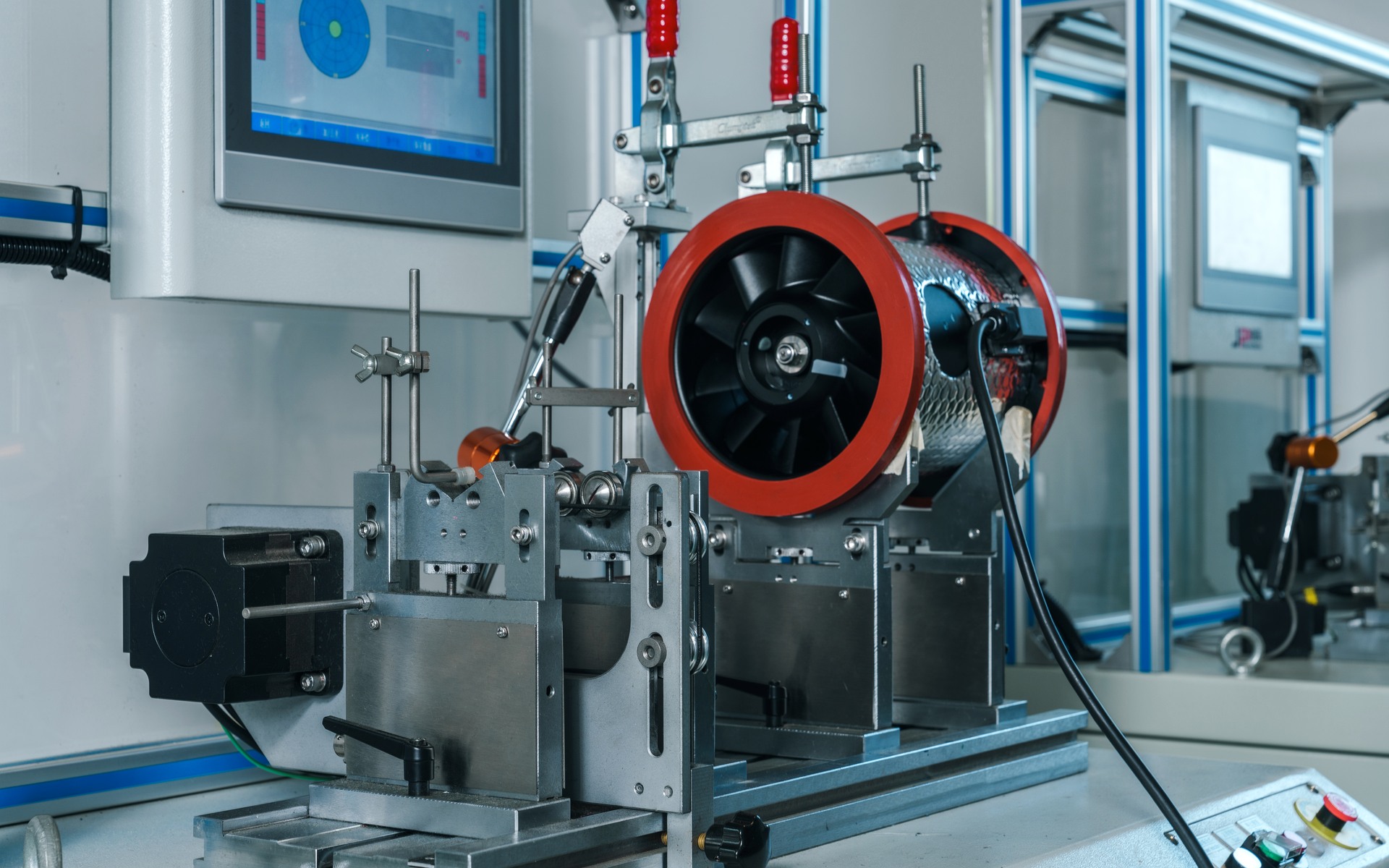
Mechanical endurance is influenced by impeller stiffness, housing geometry, bearing support, motor mounting, fastener preload, and residual imbalance. Dynamic balancing to an appropriate ISO 1940 or ISO 21940 quality grade reduces structure-borne vibration and helps protect bearing life.
A defensible mechanical review connects the fan configuration, mounting method, vibration profile, shock profile, and acceptance criteria in one qualification plan.



Engineering Consultation & Quote Request
Technical Consultation & RFQ Whether you require a standard MIL-SPEC cooling component or a fully integrated structural thermal control system, our engineering team is ready to assist. Submit your technical requirements, and our specialists will provide a preliminary assessment and thermal integration strategy within 24 hours.