

Wind Tunnel Characterization
Why P-Q Curves Matter More Than Free-Airflow Ratings
A fan's free-airflow rating is measured against zero resistance, which makes it a poor predictor of performance inside real defense electronics. Sealed enclosures, EMI screens, heat-sink fin arrays, filters, cable congestion, and narrow exhaust paths all increase system impedance.
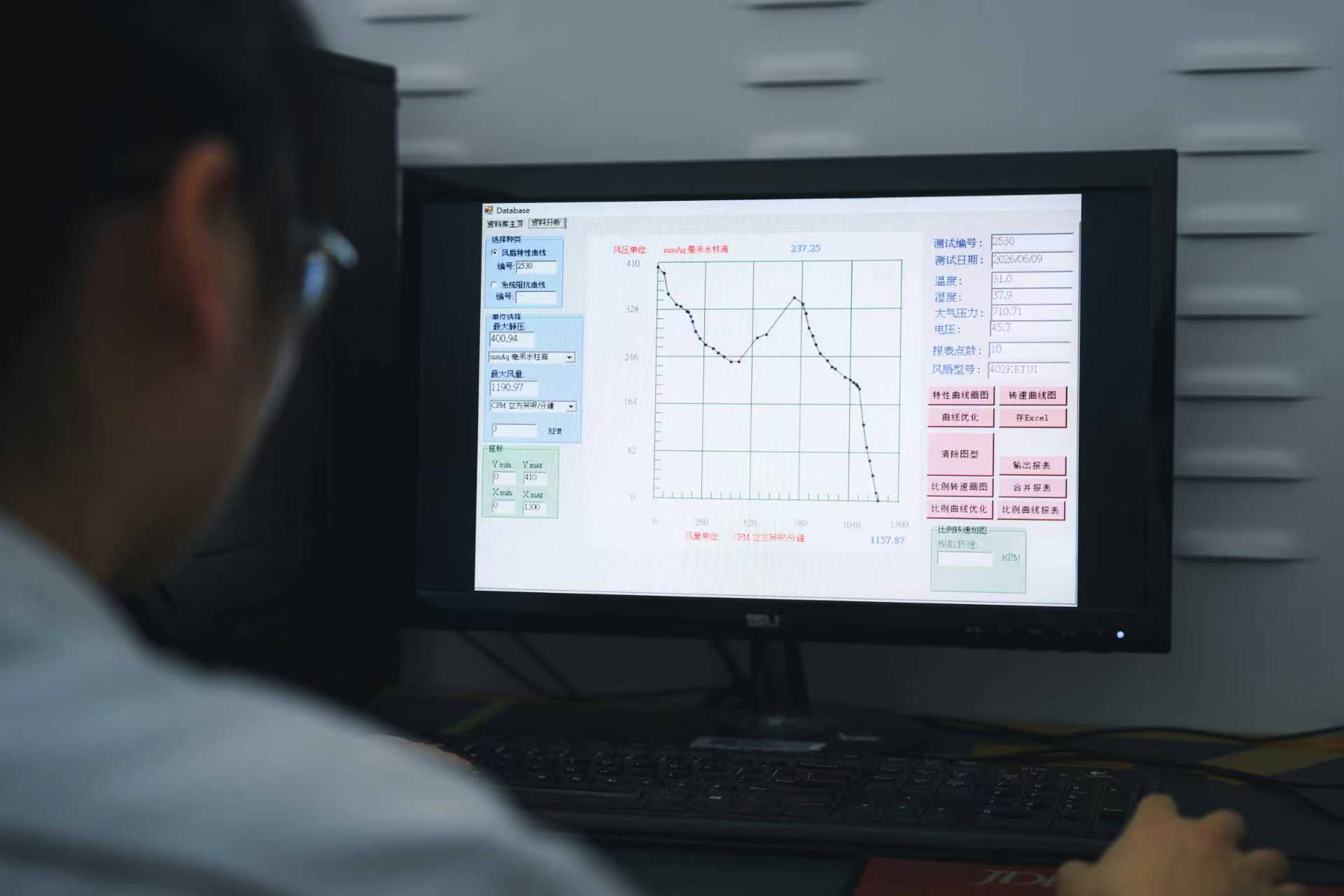
The useful operating airflow is determined by the intersection of the fan P-Q curve and the system impedance curve. For avionics bays, radar enclosures, and other high-impedance installations, the mid-to-high static-pressure region of the P-Q curve is usually more important than the maximum free-airflow number.
Wind Tunnel Testing Process
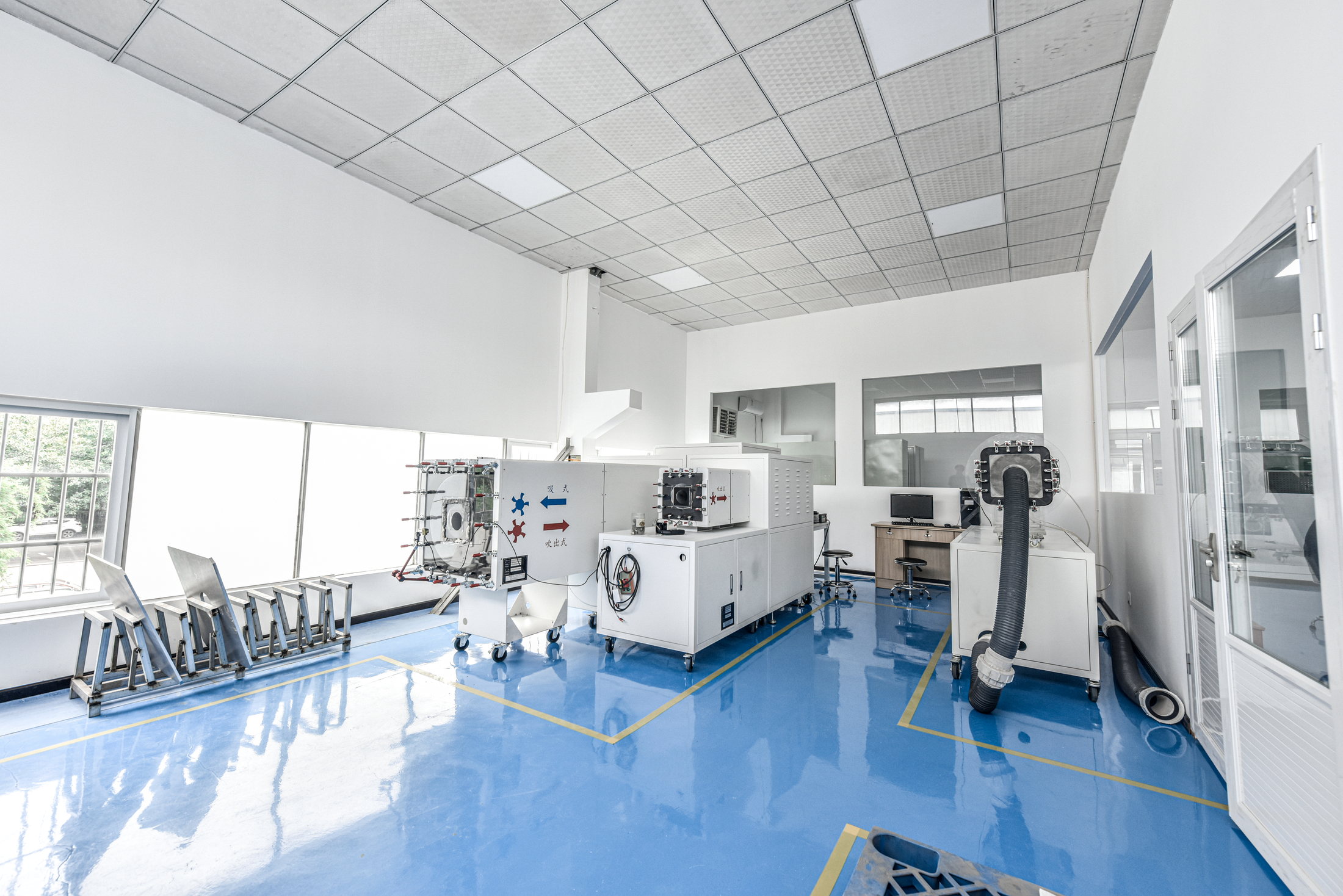
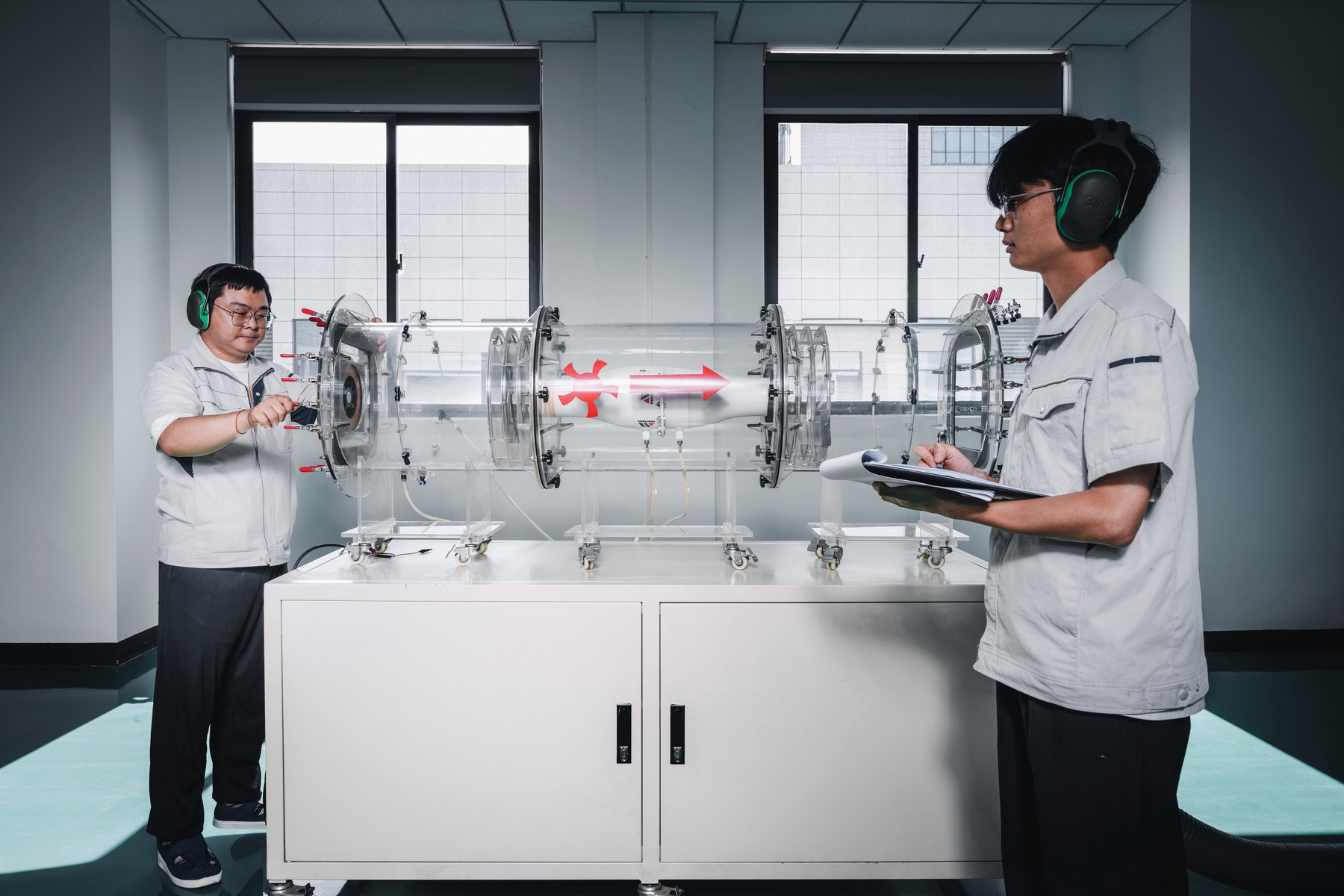
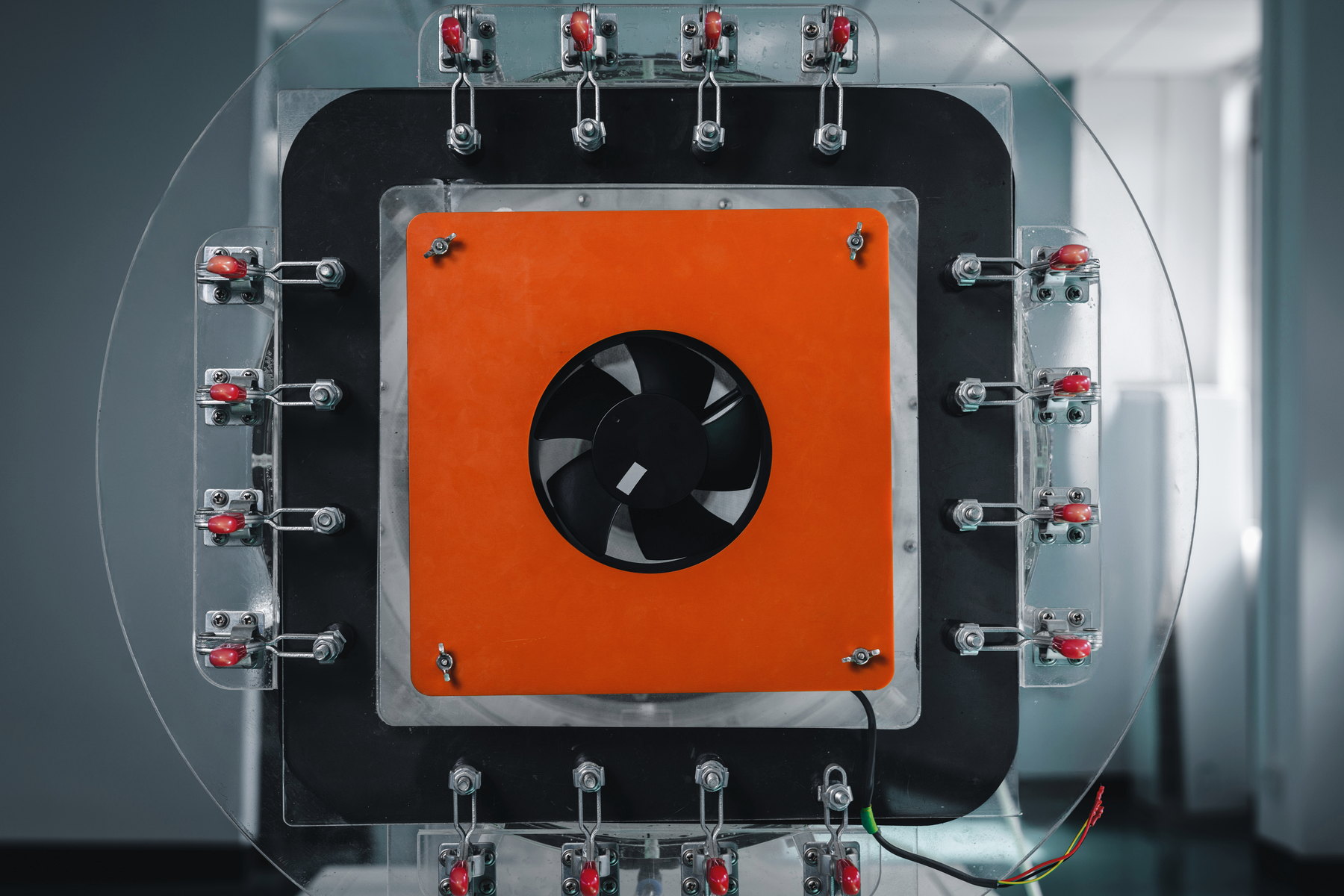
Perseus uses wind tunnel characterization to measure airflow versus static pressure under controlled ambient conditions. Testing covers the operating range from free airflow toward high static-pressure points, producing a curve that engineers can use for operating-point selection rather than relying on a single catalog value.
Operating voltage review: P-Q data is measured at the specified fan voltage, including nominal 28 VDC configurations when required by the platform.
Multiple operating points: the curve is mapped across enough data points to characterize the non-linear relationship between pressure and flow.
Repeatability review: measurements are checked for consistency before the curve is released for engineering use.
Using P-Q Data for Fan Selection
Correct fan selection starts by defining the system impedance curve of the installed enclosure. Engineers then compare that curve with the fan P-Q curve to identify the operating point and confirm whether the resulting mass flow satisfies the heat-removal requirement.
For Form-Fit-Function replacement reviews, P-Q comparison at the system operating point is the right method for evaluating thermal equivalence between the original fan and the replacement fan.
Engineering Consultation & Quote Request
Technical Consultation & RFQ Whether you require a standard MIL-SPEC cooling component or a fully integrated structural thermal control system, our engineering team is ready to assist. Submit your technical requirements, and our specialists will provide a preliminary assessment and thermal integration strategy within 24 hours.